Super User
List of PE Faculties







List of non-PE Faculties





List of Adjunct Faculties











PE Enrollment Data
| Academic Year | Enrollment Year | Degrees Awarded | ||||
| 1st | 2nd | 3rd | 4th | Bachelors | ||
| 2023-2024 | FT | 64* | 13 | 11 | 20 | |
| 2022-2023 | FT | 41* | 11 | 20 | 10 | 5 |
| 2021-2022 | FT | 48* | 21 | 9 | 19 | 10 |
| 2020-2021 | FT | 54* | 9 | 18 | 19 | 15 |
| 2019-2020 | FT | 58* | 17 | 20 | 15 | 11 |
* The total number of students of the 3 programs (Geological Engineering, Petroleum Engineeering, Chemical Engineering). After the first academic year, the students will choose their majors.
FT: full-time
Undergraduate Curriculum in Petroleum Engineering
Program Educational Objectives
The PE Program prepares students with knowledge and skills so that they can go to work immediately after graduation or continue their higher academic qualifications. We expect our graduates, after a certain time (from 3 to 5 years), can achieve the program educational objectives as follows. Graduates of the Petroleum Engineering program will:
- Be practical, employable and qualified production engineers, who are capable of designing, executing, producing, researching, innovation and management in specialized field.
- Continue their professional development and become professional managers for enterprises of Vietnam Oil and Gas Group, multinational companies, and/or become scientists for research institutes and universities.
- Keep their education up to date through self-instruction and other training to meet the challenges of the competitive, modern and dynamic workplace.
Student Outcomes
The student outcomes of our Petroleum Engineering Program are the same as those required by ABET for any engineering program to receive accreditation. The Petroleum Engineering graduates will have:
- an ability to identify, formulate, and solve complex engineering problems by applying principles of engineering, science, and mathematics.
- an ability to apply engineering design to produce solutions that meet specified needs with consideration of public health, safety, and welfare, as well as global, cultural, social, environmental, and economic factors.
- an ability to communicate effectively with a range of audiences.
- an ability to recognize ethical and professional responsibilities in engineering situations and make informed judgments, which must consider the impact of engineering solutions in global, economic, environmental, and societal contexts.
- an ability to function effectively on a team whose members together provide leadership, create a collaborative and inclusive environment, establish goals, plan tasks, and meet objectives.
- an ability to develop and conduct appropriate experimentation, analyze and interpret data, and use engineering judgment to draw conclusions.
- an ability to acquire and apply new knowledge as needed, using appropriate learning strategies.
Petroleum Engineering curriculum (Total credit hours 155)
| FRESHMAN YEAR | ||||||
| First Semester | Cr | Second Semester | Cr | |||
| SOC01301 | Philosophy of Marxism and Leninism | 3 | ENG41301 | English 1 | 3 | |
| MAT11301 | Calculus 1 | 3 | SOC01203 | Scientific socialism | 2 | |
| ELE31201 | Foundations in Engineering 1 (+ Lab) | 2 | MAT11302 | Calculus 2 | 3 | |
| CHE11301 | General Chemistry 1 | 3 | PET11105 | Career Orientation Field Trip | 1 | |
| CHE11101LAB | General Chemistry Lab 1 | 1 | INC31301 | Foundations in Engineering 2 (+ Lab) | 3 | |
| PHY21201 | General Physics 1 | 2 | PHY21202 | General Physics 2 | 2 | |
| PHY21101LAB | General Physics Lab 1 | 1 | PHY21102LAB | General Physics Lab 2 | 1 | |
| PET21201 | Introduction to Oil and Gas Industry | 2 | SOC01205 | History of Vietnamese communist party | 2 | |
| SOC01202 | Political economics of Marxism and Leninism | 2 | SOC01204 | Ho Chi Minh's Ideology | 2 | |
| ENG41000 |
English preparation (120 hrs.*) |
PED11102 | Physical Education 2 (1*) | |||
| PED11101 | Physical Education 1 (1*) | MIE01101 | Military Education (165 hrs*) | |||
| 19 | 19 | |||||
| SOPHOMORE YEAR | ||||||
| First Semester | Cr | Second Semester | Cr | |||
| ENG42302 | English 2 | 3 | ENG42303 | English 3 | 3 | |
| MAT12203 | Calculus 3 | 2 | MAT12305 | Differential Equations | 3 | |
| MEC32303 | Theoretical mechanics | 3 | MEC32304 | Strength of Materials (+ Lab) | 3 | |
| MEC32301 | Thermodynamics | 3 | PET12304 | Reservoir Petrophysics (+ Lab) | 3 | |
| GEO12302 | Physical Geology | 3 | PET12306 | Transport Processes in Petroleum Production Systems | 3 | |
| PET12443 | Petroleum Drilling Systems (+ Lab) | 4 | ELE32202 | Electronics - Electricity (+ Lab) | 2 | |
| SOC02206 | Professional Skills for Engineers | 2 | Elective 2 | 2 | ||
| Elective 1 | 2 | PET12207 | Summer Internship 1 | 2 | ||
| PED12103 | Physical Education 3 (1*) | |||||
| 22 | 21 | |||||
| JUNIOR YEAR | ||||||
| First Semester | Cr | Second Semester | Cr | |||
| ENG43304 | English 4 | 3 | PET13313 | Formation evaluation | 3 | |
| PET13308 | Petroleum Engineering Numerical Methods | 3 | PET13314 | Reservoir Engineering (+ Lab) | 3 | |
| PET13309 | Reservoir Fluids | 3 | PET13315 | Well Testing | 3 | |
| GEO13311 | Petroleum Geology | 3 | PET13116 | Senior Project 1 | 1 | |
| PET13310 | Geomechanics | 3 | ECO13301 | Petroleum Economics | 3 | |
| PET13411 | Petroleum Productions Systems (+ Lab) | 4 | PSE13201 | Health Safety and Environment | 2 | |
| PET13312 | Drilling Engineering | 3 | PET 13242 | Geostatistics | 2 | |
| Elective 3 | 3 | |||||
| PET13217 | Summer Internship 2 | 2 | ||||
| 22 | 22 | |||||
| SENIOR YEAR | ||||||
| First Semester | Cr | Second Semester | Cr | |||
| PET14318 | Reservoir Simulation | 3 | PET14324 | Graduation internship | 3 | |
| PET14319 | Integrated Reservoir Modeling | 3 | PET14825 | Graduation thesis | 8 | |
| PET14320 | Production Engineering | 3 | 11 | |||
| PET14321 | Field Development Project | 3 | ||||
| PET14222 | Enhanced Oil Recovery | 2 | ||||
| PET14123 | Senior Project 2 | 1 | ||||
| Elective 4 | 2 | |||||
| Elective 5 | 1 | |||||
| Elective 6 | 1 | |||||
| 20 | ||||||
| ELECTIVE COURSES | ||||||
| Course | Title | Cr | Course | Title | Cr | |
| Elective 1 (Choose one) | Elective 4 (Choose one) | |||||
| GEO12234 | Sedimentology | 2 | PET14232 | Cement (+ Lab) | 2 | |
| GEO12235 | General Geophysics | 2 | PET14228 | Process and Transportation of oil and gas | 2 | |
| PET14233 | Renewable Energy | 2 | ||||
| Elective 2 (Choose one) | Elective 5: Special Topics | |||||
| PET13229 | Drilling and Production Facilities and Operation | 2 | PET14141 | Field Decommissioning | 1 | |
| MEC32205 | Fluid Machine and Equipment | 2 | PET14140 | Sand production and sand control in petroleum industry | 1 | |
| PET13226 | Drilling Fluids (+ Lab) | 2 | PET14138 | Heavy oil production | 1 | |
| PET14134 | Drilling Technology in Complicated Conditions | 2 | ||||
| Elective 3 (Choose one) | Elective 6: Special Topics | |||||
| PET13327 | Well Completion and Stimulation | 3 | PET14139 | Natural Gas production and Processing Engineering | 1 | |
| PET13330 | High performance drilling design and operational practices | 3 | PET14135 | Directional and Extensional Drilling | 1 | |
| PET13331 | Solving Common Production Engineering Problems | 3 | PET14136 | Oil and Gas Production Technology at Vietnam Continental Shelf | 1 | |
| PET14137 | Marginal field development | 1 | ||||
Undergraduate Catalog in Petroleum Engineering
Program Educational Objectives
The PE Program prepares students with knowledge and skills so that they can go to work immediately after graduation or continue their higher academic qualifications. We expect our graduates, after a certain time (from 3 to 5 years), can achieve the program educational objectives as follows. Graduates of the Petroleum Engineering program will:
- Be practical, employable and qualified production engineers, who are capable of designing, executing, producing, researching, innovation and management in specialized field.
- Continue their professional development and become professional managers for enterprises of Vietnam Oil and Gas Group, multinational companies, and/or become scientists for research institutes and universities.
- Keep their education up to date through self-instruction and other training to meet the challenges of the competitive, modern and dynamic workplace.
Student Outcomes
The student outcomes of our Petroleum Engineering Program are the same as those required by ABET for any engineering program to receive accreditation. The Petroleum Engineering graduates will have:
- an ability to identify, formulate, and solve complex engineering problems by applying principles of engineering, science, and mathematics.
- an ability to apply engineering design to produce solutions that meet specified needs with consideration of public health, safety, and welfare, as well as global, cultural, social, environmental, and economic factors.\
- an ability to communicate effectively with a range of audiences.
- an ability to recognize ethical and professional responsibilities in engineering situations and make informed judgments, which must consider the impact of engineering solutions in global, economic, environmental, and societal contexts.
- an ability to function effectively on a team whose members together provide leadership, create a collaborative and inclusive environment, establish goals, plan tasks, and meet objectives.
- an ability to develop and conduct appropriate experimentation, analyze and interpret data, and use engineering judgment to draw conclusions.
- an ability to acquire and apply new knowledge as needed, using appropriate learning strategies.
Catalog Description
Program Educational Objectives
The PE Program prepares students with knowledge and skills so that they can go to work immediately after graduation or continue their higher academic qualifications. We expect our graduates, after a certain time (from 3 to 5 years), can achieve the program educational objectives as follows. Graduates of the Petroleum Engineering program will:
- Be practical, employable and qualified production engineers, who are capable of designing, executing, producing, researching, innovation and management in specialized field.
- Continue their professional development and become professional managers for enterprises of Vietnam Oil and Gas Group, multinational companies, and/or become scientists for research institutes and universities.
- Keep their education up to date through self-instruction and other training to meet the challenges of the competitive, modern and dynamic workplace.
Student Outcomes
The student outcomes of our Petroleum Engineering Program are the same as those required by ABET for any engineering program to receive accreditation. The Petroleum Engineering graduates will have:
- an ability to identify, formulate, and solve complex engineering problems by applying principles of engineering, science, and mathematics.
- an ability to apply engineering design to produce solutions that meet specified needs with consideration of public health, safety, and welfare, as well as global, cultural, social, environmental, and economic factors.
- an ability to communicate effectively with a range of audiences.
- an ability to recognize ethical and professional responsibilities in engineering situations and make informed judgments, which must consider the impact of engineering solutions in global, economic, environmental, and societal contexts.
- an ability to function effectively on a team whose members together provide leadership, create a collaborative and inclusive environment, establish goals, plan tasks, and meet objectives.
- an ability to develop and conduct appropriate experimentation, analyze and interpret data, and use engineering judgment to draw conclusions.
- an ability to acquire and apply new knowledge as needed, using appropriate learning strategies.
PetroVietnam University (PVU) specializes in training high-quality human resources, combining training with scientific research and production and business practices in order to contribute to the sustainable development of the Vietnam Oil and Gas Group (PVN) and the Country, conducting social responsibilities and community service.
In the long term, PVU is a multi-disciplinary university, combining with Vietnam Petroleum Institute (VPI) to establish Vietnam Petroleum Academy. Its training majors are career-and-application oriented with high quality, a potential for scientific research at regional and international levels. The university combines training with production and scientific research. It also has extensive and diversified international cooperation, and a competitive capacity for development and integration with a commitment to meet the demands of domestic and international enterprises for human resources.
PVU strives to become one of the prestigious petroleum universities in South East Asia by 2035
The Petroleum Engineering program (PE program) is designed to serve the requirement of Vietnam’s Oil and Gas industry and also worldwide. The curriculum of the PE program is a balanced combination of the theoretical and practical aspects of Petroleum Engineering with enough flexibility to allow integration of the ever-developing state-of-the art technology and the changing needs of the region. The PE program provides a foundation for the professional development of its students. The graduates of the program should be able to work as petroleum engineers for oil companies, service companies and for research institutes as research engineers, or to pursue their graduate studies. The faculty of the PE program is committed to provide an academic environment that encourages active learning, teamwork activities, and high-quality student performance.
Title





https://www.pvu.edu.vn/en/component/k2/author/493-superuser?start=390#sigProIdd8d905fe46

Last updated on: 9/1/2024
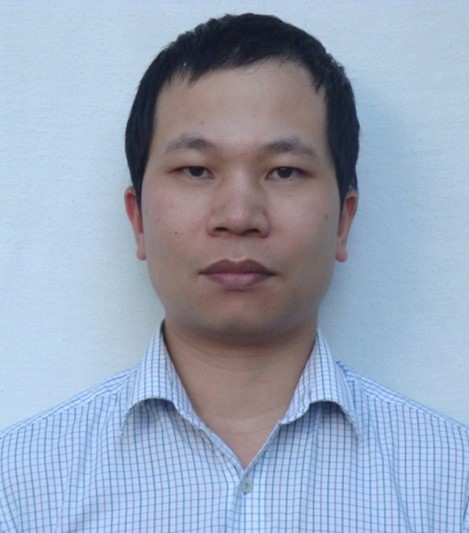
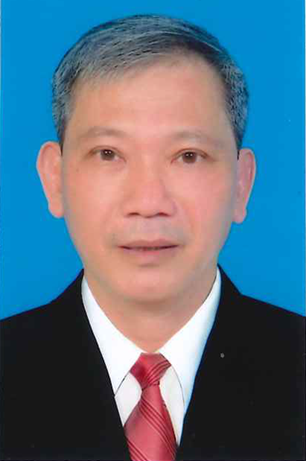
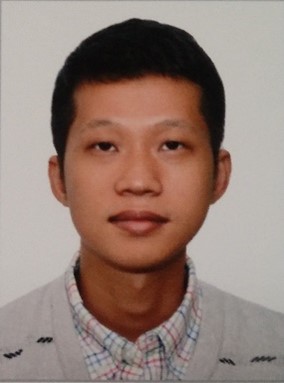
Name: Bui Tu An
Rank: Lecturer
Department: Petroleum Drilling and Production Department
Email: This email address is being protected from spambots. You need JavaScript enabled to view it.
Telephone: (254)3738.879 (EXT. 177)
Fax: (254) 3.733579
Research Interests: Reservoir Simulation, Wellbore stability, Welltest
Address: Petroleum Engineering Department, Petrovietnam University, 762 Cach Mang Thang Tam street, Long Toan Ward, Ba Ria City, Vietnam
Degree
| Degree | Field | Institution | Year |
| M.Sc. | Mechanics of Constructions | University of Liege, Belgium | 2006 |
| B.Eng. | Petroleum Engineering | Ho Chi Minh City University of Technology | 2002 |
Own Thesis
| Title | Type | Institution | Year |
| Numerical Modeling of Groundwater Flow in Aquifer Systems | MSc | University of Liege, Belgium | 2006 |
| Design the gathering and processing system for gas field | Meng | Ho Chi Minh City University of Technology | 2001 |
Experience (Academic)
| Institution | Designation | Year/Period | FT/PT |
| Petrovietnam University | Lecturer | 2011- Present | FT |
| PetroVietnam University Project Management Board | Staff at Academic Affair | 2008 - 2011 | FT |
| Ho Chi Minh City University of Technology | Assistant Lecturer | 2002-2008 | FT |
Experience (non-Academic)
| Organization | Designation | Year/Period |
| Transocean and Sedco Forex and PVD | Drilling Engineer | 2001 - 2008 |
Professional Activities
| Designation | Details | Year/Period |
| CPTI |
Operational decision making in the control of technological parameters in development of Hard to recover reserves |
2019 |
| Petrovietnam University | Structural styles in Petroleum Exploration | 2019 |
| Petrovietnam University | Transient Well Pressure Test Analysis | 2018 |
| CPTI | An toàn khi thiết kế, vận hành Công nghệ khí | 2018 |
| SEAMEO, Vietnam | ICT application in work Organization and Academic Management | 2017 |
| Petrovietnam University | Waterflooding and Applied Reservoir Simulation | 2017 |
|
JX Nippon Oil & Gas Exploration Corporation |
The short-term General Training Course | 2016 |
| Petrovietnam University | Core flooding system | 2016 |
| CPTI |
Designing and operation features of offshore structures, designed (assigned) drilling and production in deep water oil and gas fields |
2016 |
Courses
| Institution | Course Name | Year |
| AUN/SEED-NET JICA | The development of Strategic Plan for Research and Educttion in Geological Engineering | 2003 |
| Fugro Robertson (England) | Development & Planning Workshop | 2008 |
| Schlumberger | Techlog Fundamental | 2012 |
| PIPESIM Fundamentals | ||
| Eclipse & Petrel Reservoir Engineering Fundamentals | ||
| Petrel Reservoir Modeling | ||
| Petrel Fundamentals | ||
| Petrel Geophysic | ||
| PetroVietnam University | Hydrocarbon habit in rift basins | 2013 |
| Reservoir Rock Properties | 2013 | |
| Azerbaijan State Oil and Industry University | The decision-making in management on operational and pre-operational stages of oil and gas fields developpement on the basis of dynamical analysia; the diagnoisis of the current state of reservoir system without conducting special hydeodynamical investigations | 2015 |
Journal
| no. | Information |
| 1 | DO Quang Khanh, BUI Tu An, NGUYEN Viet Khoi Nguyen, HOANG Trong Quang, TRAN Nguyen Thien Tam, ONG Vu Khanh Phat, VO Van Long and TRAN Van Tien, Using different artificial neural network models to predict rate of penetration for oil and gas wells, The 12th Asian Rock Mechanics Symposium (ARMS12), Hanoi, Vietnam, 22-26, 10, 2022 |
| 2 | BUI Tu An, Do Quang Khanh*, HOANG Trong Quang, NGUYEN Xuan Kha, NGUYEN Pham Xuan Mai, DO Quang Thien, and DANG Van Tu, Estimating In-Situ Stress Direction from Borehole Failure Analysis Using Image Logs in the Cuu Long Basin, Offshore Vietnam, The 12th Asian Rock Mechanics Symposium (ARMS12), Hanoi, Vietnam, 22-26, 10, 2022 |
| 3 | Bui Tu An, Nguyen Van Hung, Duong Tien Trung, Nguyen Huu Truong, Truong Minh Hoang, “Sanding Onset for Offshore Depleted Using Critical Drawdown Pressure: A Case Study for Well X Cuulong Basin in Vietnam”, Lecture Notes in Civil Engineering, vol 8. Springer, Singapore, 2018, https://doi.org/10.1007/978-981-10-6713-6_78 |
| 4 | "So sánh các phương pháp phân tích thử vỉa nứt nẻ tự nhiên", Hội nghị khoa học - công nghệ quốc tế (Dầu khí Việt Nam 2010: tăng tốc phát triển, 2010. |
| 5 | "Calculating and Simulating of Fracture Propagation Process in Hydraulic Fracturing", Proceedings of the 11th Science Conference, Ho Chi Minh City University of Technology, 2009. |
| 6 | "Development of Marginal Fields in Vietnam: Opportunities and Challenges", Proceedings of the 9th Science Conference, Ho Chi Minh City University of Technology, 2005. |
| 7 | "Pressure Drop Modeling in Drilling Hydraulics", Journal of Science and Technology Development, Vietnam National University – Ho Chi Minh City, Volume 6, 2003. |
| 8 | "Studying the Process of Enhanced oil recovery by CO2 injection", Journal of Science and Technology Development, Vietnam National University – Ho Chi Minh City, 2003. |
| 9 | Khanh, D. Q., An, B. T., Nguyen, N. V. K., Quang, H. T., Tam, T. N. T., Phat, O. V. K., ... & Tien, T. V. (2022, November). Using Different Artificial Neural Network Models to Predict Rate of Penetration for Oil and Gas Wells. In ISRM International Symposium-Asian Rock Mechanics Symposium (pp. ISRM-ARMS12). ISRM. |
Research Projects
| Code No. | Title | Institution | Position | Year |
| GV1501 | Research, slection the model to predict sand production for production wells in Miocene Sand, Cuu Long Basin | Petrovietnam University | PI | 2018 |
|
01/KTQL(PVU) /2020/KHCN |
Preparation of Lectures in Petroleum Exploration and Production, Petrochemical Refining, Oil Processing and Electricity for staffs of Vietnam Oil and Gas Group (1st Stage) | Vietnam Oil and gas Group | CoI | 3/2020-Present |

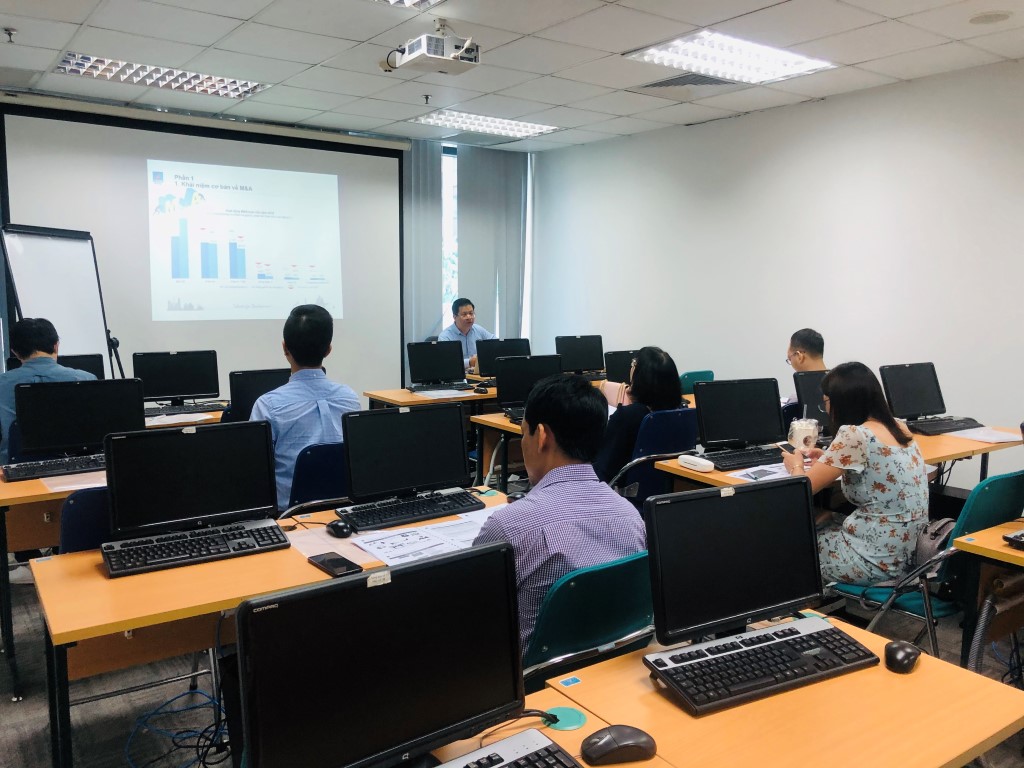
Ngày 29/7/2020 tại Hà Nội, Trung tâm Bồi dưỡng Nâng cao – Trường Đại học Dầu khí Việt Nam đã khai giảng khóa học “M&A – Quy trình thực hiện giao dịch và áp dụng trong các giao dịch thoái vốn Doanh nghiệp Nhà nước”.

Khóa học tổ chức trong 3 ngày, có sự tham gia của các cán bộ hiện đang công tác trong lĩnh vực kế hoạch dầu tư, quản lý dự án, quản trị nhân sự,... của đơn vị trong ngành dầu khí.
Khóa học cung cấp cho học viên kiến thức về mua bán & sát nhập (M&A), quy định pháp lý của Việt Nam về M&A, chu trình của một giao dịch M&A tại các Doanh nghiệp Nhà nước (DNNN), quy trình thoái vốn đối với khối DNNN, định giá DNNN.
Bên cạnh đó, giảng viên sẽ chia sẻ những kinh nghiệm thực tế về giao dịch thành công và thất bại, một số điểm chính trong từng bước thực hiện giao dịch và các vướng mắc gặp phải cùng cách tháo gỡ trong quá trình thực hiện.
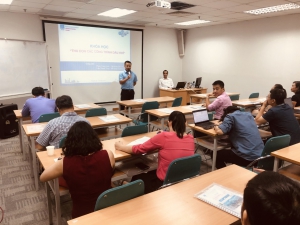
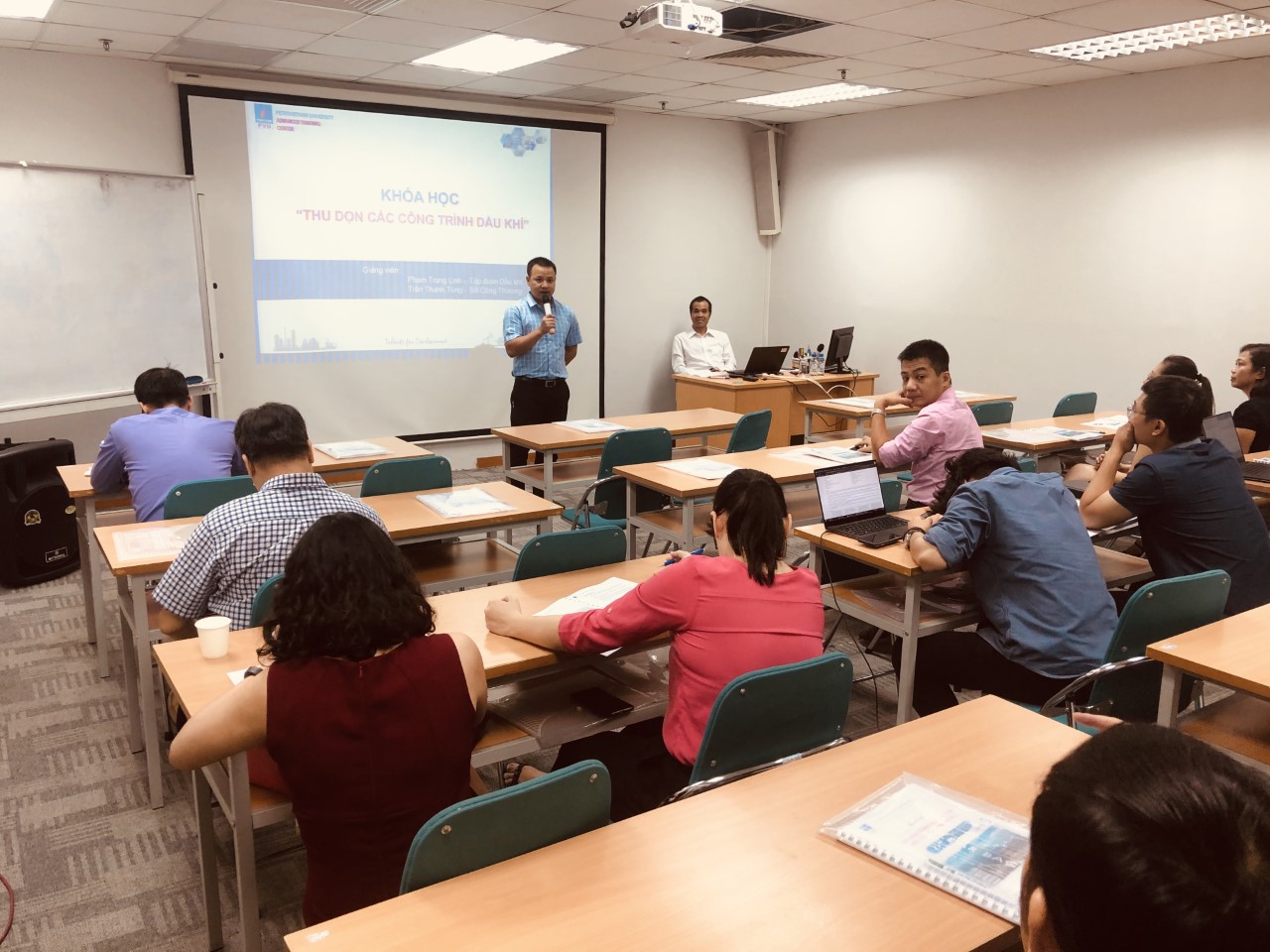
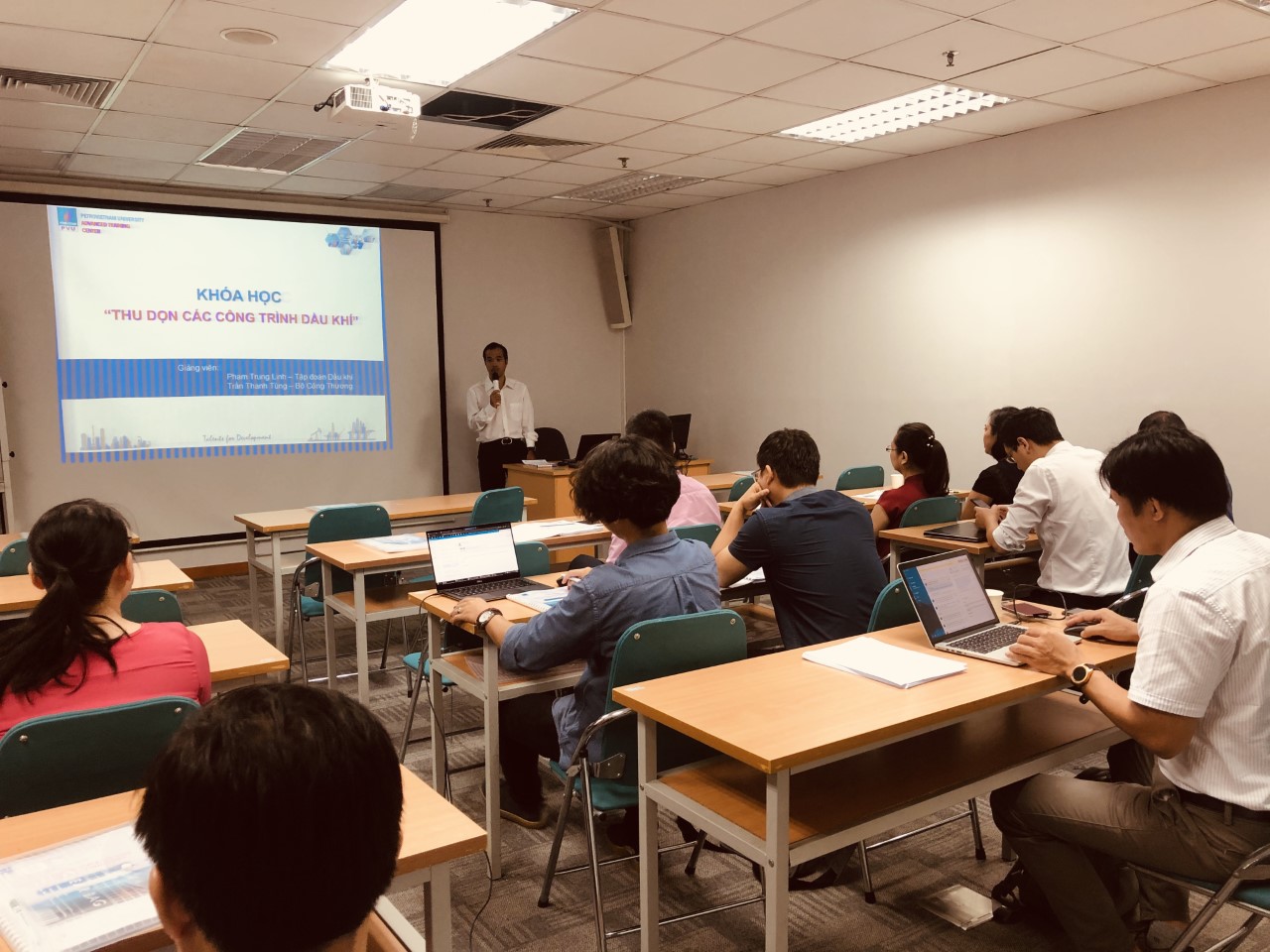
Ngày 28 tháng 7 năm 2020 tại Hà Nội, Trung tâm Bồi dưỡng nâng cao (ATC) - Trường Đại học Dầu khí Việt Nam đã khai giảng khóa học "Decommissioning in the oil and gas industry", chương trình có sự tham gia của các học viên công tác trong lĩnh vực thăm dò khai thác dầu khí. Khóa học được thiết kế như một workshop, với sự chia sẻ của các chuyên gia đến từ các nhà thầu dầu khí về các quy định và công tác quản lý nhà nước trong lĩnh vực thu dọn mỏ ngoài khơi tại Việt
Nam và kinh nghiệm thực tiễn, cụ thể:
- Khái niệm và lập kế hoạch, thực hiện các chiến lược thu dọn mỏ
- Lịch sử và đánh giá công tác thu dọn mỏ ngoài khơi trên toàn thế giới
- Quy định trên thế giới và tại Việt Nam về công tác thu dọn mỏ ngoài khơi
- Trách nhiệm hoàn nguyên môi trường, thu dọn mỏ
- Quy trình thu dọn & vận hành hàng hải
- Đánh giá tài chính cho các dự án ngừng hoạt động
- Môi trường và an toàn trong việc ngừng hoạt động
- Kỹ thuật đường ống, làm sạch, xả nước và ngừng hoạt động
- Quản lý chuỗi cung ứng
- Kinh nghiệm thực tế
Sau khóa học, học viên có thể ứng dụng ngay các kiến thức được học vào việc lập kế hoạch, lên phương án triển khai công tác thu dọn mỏ, chuẩn bị kế hoạch tài chính tại một số các dự án cụ thể trong ngành Dầu khí Việt Nam.
Khóa học sẽ kéo dài trong bốn ngày và sẽ bế giảng vào ngày 31/7/2020.
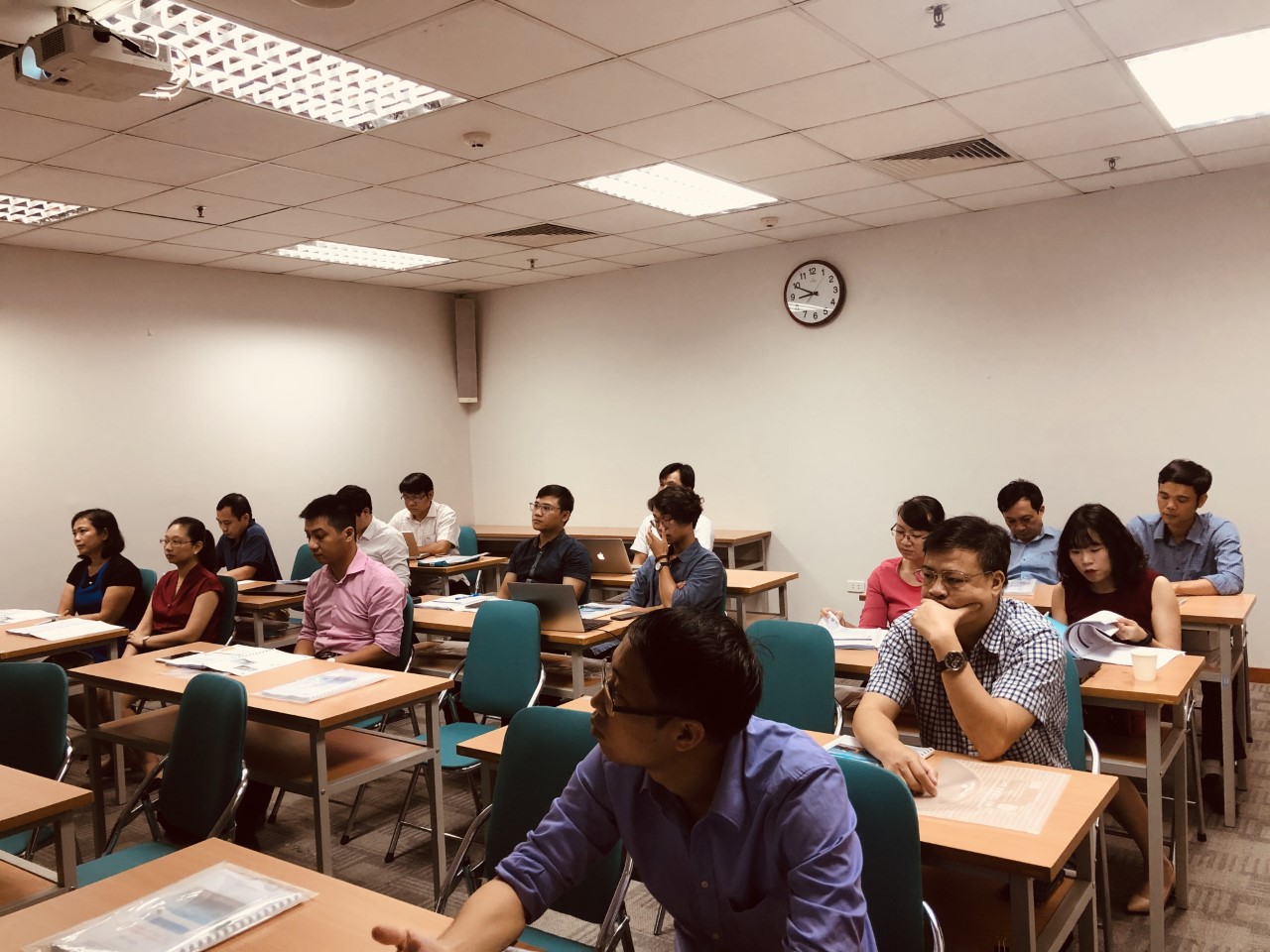
Một số hình ảnh trong khóa học: