



Super User
The Chemical Engineering program with concentration of Refining & Petrochemicals is designed to serve the requirement of Vietnam’s Oil and Gas industry and also worldwide. The curriculum of Chemical Engineering program is a balanced combination of the theoretical and practical aspects of Chemical Engineering with enough flexibility to allow integration of the ever-developing state-of-the art technology and the changing needs of the region. Chemical Engineering program provides a foundation for the professional development of its students. The graduates of the program should be able to work as chemical engineers for oil and gas companies, service companies and for research institutes as research engineers, or to pursue their graduate studies. The faculty of the Chemical Engineering program is committed to produce students who possess the following competencies:
- A mastery of key academic areas: mathematics, science, and technology
- The ability to analyze, evaluate, synthesize, and resolve technical issues
- A creative capability, defined as the capacity to design or make a component, process, or system to meet complex requirements in practice
- The ability to use technology and modern tools necessary for professional work proficiency in English
- The ability to communicate, to work effectively in groups with respect for the expertise of colleagues and for cultural diversity
- The ability to pursue self-study to improve knowledge and raise professional performance levels
- An understanding of social responsibility and professional ethics
PetroVietnam University (PVU) specializes in training high-quality human resources, combining training with scientific research and production and business practices in order to contribute to the sustainable development of the Vietnam Oil and Gas Group (PVN) and the Country, conducting social responsibilities and community service.
In the long term, PVU is a multi-disciplinary university, combining with Vietnam Petroleum Institute (VPI) to establish Vietnam Petroleum Academy. Its training majors are career-and-application oriented with high quality, a potential for scientific research at regional and international levels. The university combines training with production and scientific research. It also has extensive and diversified international cooperation, and a competitive capacity for development and integration with a commitment to meet the demands of domestic and international enterprises for human resources.
PVU strives to become one of the prestigious petroleum universities in South East Asia by 2035
Program Educational Objectives
The Chemical Engineering Program prepares students with knowledge and skills so that they can go to work immediately after graduation or continue their education in graduate programs. We expect our graduates, after a certain time (from 3 to 5 years), can achieve the Program educational objectives as follows:
Graduates of the Chemical Engineering program will:
- Be practical, employable and qualified chemical engineers, who are capable of designing, operating, researching, innovation and management in downstream area of oil and gas industry,
- Continue their professional development and become professional managers for enterprises of Vietnam Oil and Gas Group, multinational companies, and/or become scientists for research institutes and universities,
- Keep their education up to date through self-instruction and other training to meet the challenges of the competitive, modern and dynamic workplace.
Student Outcomes
The student outcomes of our Chemical Engineering Program are the same as those required by ABET for any engineering program to receive accreditation. The Chemical Engineering graduates will have:
- an ability to identify, formulate, and solve complex engineering problems by applying principles of engineering, science, and mathematics;
- an ability to apply engineering design to produce solutions that meet specified needs with consideration of public health, safety, and welfare, as well as global, cultural, social, environmental, and economic factors;
- an ability to communicate effectively with a range of audiences;
- an ability to recognize ethical and professional responsibilities in engineering situations and make informed judgments, which must consider the impact of engineering solutions in global, economic, environmental, and societal contexts;
- an ability to function effectively on a team whose members together provide leadership, create a collaborative and inclusive environment, establish goals, plan tasks, and meet objectives;
- an ability to develop and conduct appropriate experimentation, analyze and interpret data, and use engineering judgment to draw conclusions;
- an ability to acquire and apply new knowledge as needed, using appropriate learning strategies.
Undergraduate Curiculum in Chemical Engineering
Program Educational Objectives
The Chemical Engineering Program prepares students with knowledge and skills so that they can go to work immediately after graduation or continue their education in graduate programs. We expect our graduates, after a certain time (from 3 to 5 years), can achieve the Program educational objectives as follows:
Graduates of the Chemical Engineering program will:
- Be practical, employable and qualified chemical engineers, who are capable of designing, operating, researching, innovation and management in downstream area of oil and gas industry,
- Continue their professional development and become professional managers for enterprises of Vietnam Oil and Gas Group, multinational companies, and/or become scientists for research institutes and universities,
- Keep their education up to date through self-instruction and other training to meet the challenges of the competitive, modern and dynamic workplace.
Student Outcomes
The student outcomes of our Chemical Engineering Program are the same as those required by ABET for any engineering program to receive accreditation. The Chemical Engineering graduates will have:
- an ability to identify, formulate, and solve complex engineering problems by applying principles of engineering, science, and mathematics;
- an ability to apply engineering design to produce solutions that meet specified needs with consideration of public health, safety, and welfare, as well as global, cultural, social, environmental, and economic factors;
- an ability to communicate effectively with a range of audiences;
- an ability to recognize ethical and professional responsibilities in engineering situations and make informed judgments, which must consider the impact of engineering solutions in global, economic, environmental, and societal contexts;
- an ability to function effectively on a team whose members together provide leadership, create a collaborative and inclusive environment, establish goals, plan tasks, and meet objectives;
- an ability to develop and conduct appropriate experimentation, analyze and interpret data, and use engineering judgment to draw conclusions;
- an ability to acquire and apply new knowledge as needed, using appropriate learning strategies.
Catalog Description
Undergraduate Curiculum in Chemical Engineering
Program Educational Objectives
The Chemical Engineering Program prepares students with knowledge and skills so that they can go to work immediately after graduation or continue their education in graduate programs. We expect our graduates, after a certain time (from 3 to 5 years), can achieve the Program educational objectives as follows:
Graduates of the Chemical Engineering program will:
- Be practical, employable and qualified chemical engineers, who are capable of designing, operating, researching, innovation and management in downstream area of oil and gas industry,
- Continue their professional development and become professional managers for enterprises of Vietnam Oil and Gas Group, multinational companies, and/or become scientists for research institutes and universities,
- Keep their education up to date through self-instruction and other training to meet the challenges of the competitive, modern and dynamic workplace.
Student Outcomes
The student outcomes of our Chemical Engineering Program are the same as those required by ABET for any engineering program to receive accreditation. The Chemical Engineering graduates will have:
- an ability to identify, formulate, and solve complex engineering problems by applying principles of engineering, science, and mathematics;
- an ability to apply engineering design to produce solutions that meet specified needs with consideration of public health, safety, and welfare, as well as global, cultural, social, environmental, and economic factors;
- an ability to communicate effectively with a range of audiences;
- an ability to recognize ethical and professional responsibilities in engineering situations and make informed judgments, which must consider the impact of engineering solutions in global, economic, environmental, and societal contexts;
- an ability to function effectively on a team whose members together provide leadership, create a collaborative and inclusive environment, establish goals, plan tasks, and meet objectives;
- an ability to develop and conduct appropriate experimentation, analyze and interpret data, and use engineering judgment to draw conclusions;
- an ability to acquire and apply new knowledge as needed, using appropriate learning strategies.
Chemical Engineering curriculum (Total credit hours 155)
|
FRESHMAN YEAR |
|||||
|
First Semester |
Cr |
Second Semester |
Cr |
||
|
SOC01301 |
Philosophy of Marxism and |
3 |
ENG41301 |
English 1 |
3 |
|
MAT11301 |
Calculus 1 |
3 |
SOC01203 |
Scientific socialism |
2 |
|
ELE31201 |
Foundations in Engineering 1 (+Lab) |
2 |
MAT11302 |
Calculus 2 |
3 |
|
CHE11301 |
General Chemistry 1 |
3 |
PET11105 |
Career Orientation Field Trip |
1 |
|
CHE11101LAB |
General Chemistry Lab 1 |
1 |
INC31301 |
Foundations in Engineering 2 (+Lab) |
3 |
|
PHY21201 |
General Physics 1 |
2 |
PHY21202 |
General Physics 2 |
2 |
|
PHY21101LAB |
General Physics Lab 1 |
1 |
PHY21102LAB |
General Physics Lab 2 |
1 |
|
PET21201 |
Introduction to Oil and Gas |
2 |
SOC01205 |
History of Vietnamese |
2 |
|
SOC01202 |
Political Economics of Marxism and Leninism |
2 |
SOC01204 |
Ho Chi Minh's Ideology |
2 |
|
ENG41000 |
English Preparation (120 hrs.*) |
|
PED11102 |
Physical Education 2 (1*) |
|
|
PED11101 |
Physical Education 1 (1*) |
|
MIE01101 |
Military Education (165 hrs.) |
|
|
Total |
19 |
Total |
19 |
||
|
SOPHOMORE YEAR |
|||||
|
First Semester |
Cr |
Second Semester |
Cr |
||
|
ENG42302 |
English 2 |
3 |
ENG42303 |
English 3 |
3 |
|
MAT12203 |
Calculus 3 |
2 |
MAT12305 |
Differential Equations |
3 |
|
CHE12302 |
General Chemistry 2 |
3 |
PPR12302 |
Principles of Chemical |
3 |
|
CHE12102LAB |
General Chemistry Lab 2 |
1 |
PPR12303 |
Heat Transfer |
3 |
|
MEC32301 |
Thermodynamics |
3 |
PPR12336 |
Equilibrium Thermodynamics |
3 |
|
MEC22302 |
Fluid mechanics (+ Lab) |
3 |
PPR12320 |
Analytical Chemistry |
3 |
|
PPR12301 |
Organic Chemistry 1 |
3 |
PPR12120LAB |
Analytical Chemistry Lab |
1 |
|
PPR12101LAB |
Organic Chemistry Lab 1 |
1 |
MAT12206 |
Probability And Statistics |
2 |
|
ELE32203 |
Electric Circuit Analysis (+Lab) |
2 |
PPR12204 |
Summer Internship 1 |
2 |
|
SOC02206 |
Professional Skills for Engineers |
2 |
|||
|
PED12103 |
Physical Education 3 (1*) |
|
|||
|
Total |
23 |
Total |
23 |
||
|
JUNIOR YEAR |
|||||
|
First Semester |
Cr |
Second Semester |
Cr |
||
|
ENG43304 |
English 4 |
3 |
PPR13207 |
Chemical Reactor Design |
2 |
|
PPR13305 |
Mass Transfer |
3 |
PPR13208 |
Process Component Design |
2 |
|
PPR13306 |
Gas Processing Technology |
3 |
PPR13339 |
Petroleum Refining Technology |
3 |
|
ELE33305 |
Process Control (+ Lab) |
3 |
PPR13137LAB |
Chemical Engineering Lab |
1 |
|
PPR12317 |
Physical Chemistry 1 |
3 |
PPR13138LAB |
Specialized Experiment |
1 |
|
PPR13326 |
Reaction Engineering |
3 |
PPR12119LAB |
Physical Chemistry Lab |
1 |
|
PPR13327 |
Petroleum Chemistry |
3 |
ECO13301 |
Petroleum Economics |
3 |
|
|
Elective 1 |
3 |
PSE13201 |
Health, Safety and Environment |
2 |
|
PPR13241 |
Senior Project 1 |
2 |
|||
|
|
|
|
PPR13240 |
Summer Internship 2 |
2 |
|
Total |
24 |
Total |
19 |
||
|
SENIOR YEAR |
|||||
|
First Semester |
Cr |
Second Semester |
Cr |
||
|
PPR14309 |
Chemical Engineering Plant Design |
3 |
PPR14315 |
Graduation Internship |
3 |
|
PPR14310 |
Petrochemical Technology |
3 |
PPR14816 |
Graduation Thesis |
8 |
|
PPR14311 |
Petroleum and Petrochemical |
3 |
Total |
11 |
|
|
PPR14312 |
Process Simulation and |
3 |
|
||
|
PPR14113LAB |
Specialized Experiment 2 |
1 |
|||
|
PPR14214 |
Senior Project 2 |
2 |
|||
|
|
Elective 2 |
2 |
|||
|
Total |
17 |
||||
|
Elective Courses |
|||||
|
Elective 1 |
|
Elective 2 |
|
||
|
Course |
CR |
Course |
CR |
||
|
PPR13323 |
Polymer Chemistry |
3 |
PPR14232 |
The Process of Production of Lubricants and Synthetic Liquid Fuels |
2 |
|
PPR13324 |
Biochemistry |
3 |
PPR14230 |
Heavy Oil Upgrading Technology |
2 |
|
|
|
|
PET14233 |
Renewable Energy |
2 |
|
|
|
|
PPR14228 |
Equipment in petroleum processing |
2 |
|
|
|
|
PPR14231 |
Additives for Petroleum Products |
2 |
|
|
|
|
PPR14235 |
Special Topics |
2 |
CE Enrollment Data
|
Academic Year |
Enrollment Year | Degrees Awarded | ||||
| 1st | 2nd | 3rd | 4th | Bachelors | ||
| 2023-2024 | FT | 64* | 21 | 27 | 22 | |
| 2022-2023 | FT | 41* | 28 | 22 | 34 | 23 |
| 2021-2022 | FT | 48* | 24 | 34 | 40 | 33 |
| 2020-2021 | FT | 54* | 34 | 40 | 32 | 27 |
| 2019-2020 | FT | 58* | 42 | 32 | 26 | 25 |
* The total number of students of the 3 programs (Geological Engineering, Petroleum Engineeering, Chemical Engineering). After the first academic year, the students will choose their majors.
FT: Full tiem
List of CE Faculties
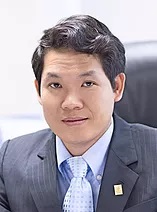

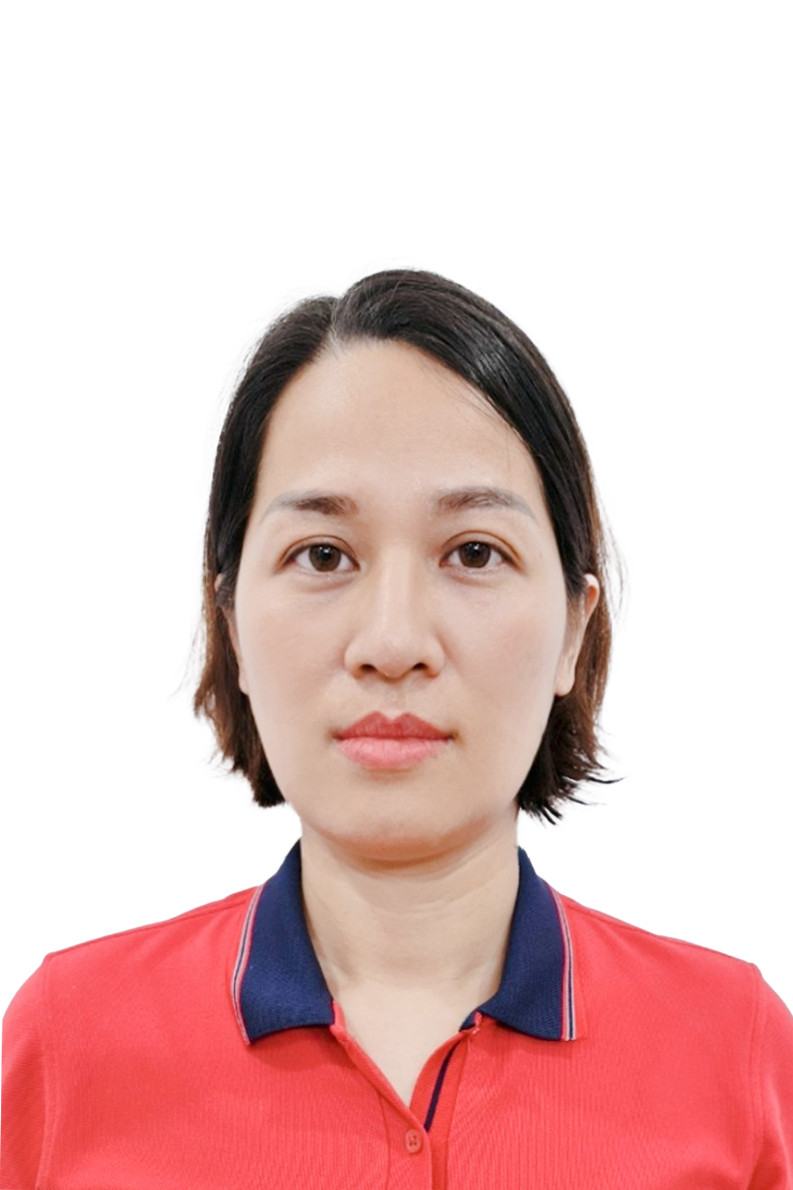
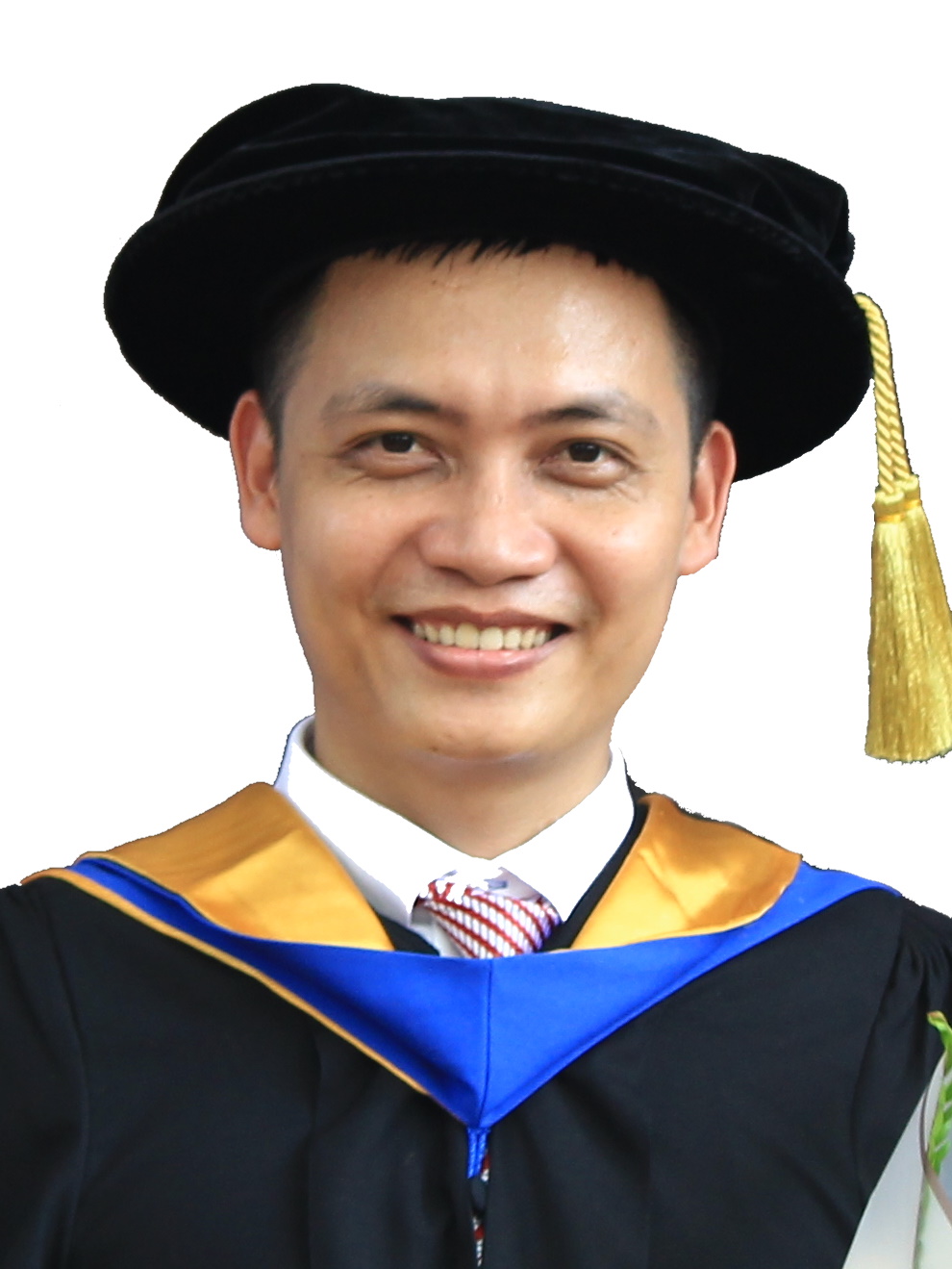


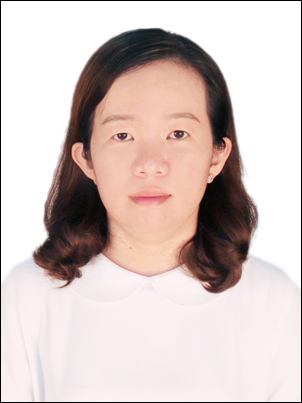

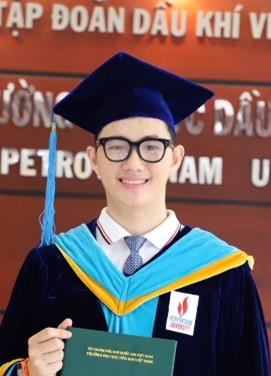
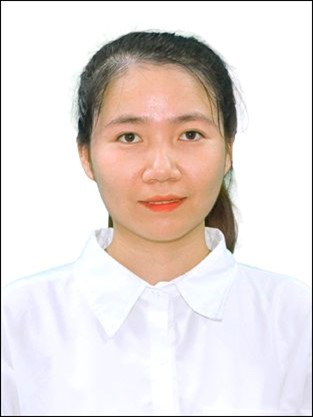
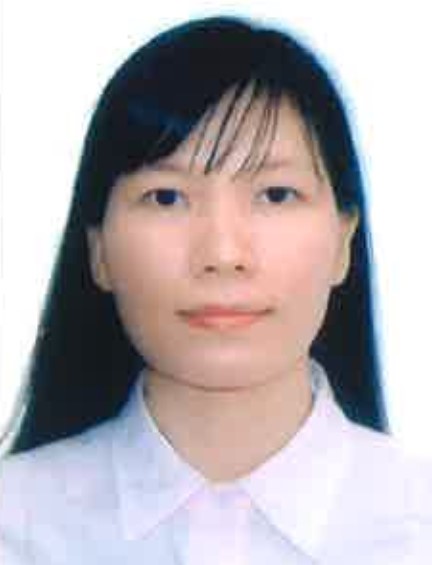
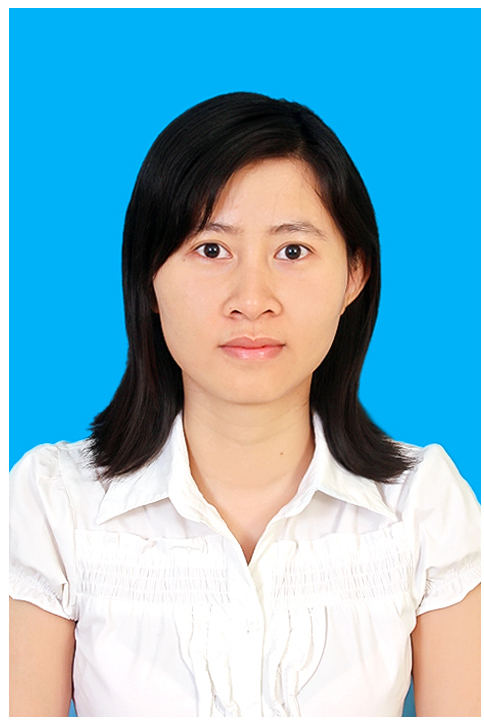
List of non-CE Faculties


List of Adjunct Faculties






Dial-in number: (+84)(254)3.738879 | (+84)(254)3.738877
| Title | Name | EXT | Floor |
| Dr. | Bùi Thanh Bình | 236 | 7 |
| Dr. | Phạm Bảo Ngọc | 159 | 7 |
| Dr. | Đỗ Thị Thùy Linh | 157 | 7 |
| MSc. | Trần Thị Oanh | 209 | 7 |
| Dr. | Phạm Huy Giao | ||
| Dr. | Nguyễn Thanh Tùng | ||
| Dr. | Đỗ Quang Khánh | 112 | 7 |
| MSc. | Lương Hải Linh | 248 | 7 |
| Dr. | Nguyễn Hữu Trường | 136 | |
| MSc. | Phạm Hữu Tài | 222 | 7 |
| Dr. | Lê Thị Huyền | ||
| BSc. | Võ Thanh Luân | ||
| MSc. | Bùi Tử An | ||
| Dr. | Dương Chí Trung | 124 | 7 |
| Dr. | Phan Minh Quốc Bình | ||
| Dr. | Lê Thanh Thanh | 226 | 7 |
| Dr. | Đàm Thị Thanh Hải | 224 | 7 |
| Dr. | Trương Thanh Tuấn | 225 | 7 |
| BSc. | Ngô Châu Vĩ Khang | ||
| BSc. | Nguyễn Thị Bình | ||
| Dr. | Mai Thị Quỳnh Châu | ||
| MSc. | Phạm Châu Quỳnh | ||
| Dr. | Lê Thị Mỹ Linh | 225 | |
| Dr. | Võ Quốc Thắng | ||
| Dr. | Doãn Ngọc San | 123 | 7 |
At PVU, we are dedicated to providing a comprehensive platform for student career development through various initiatives and partnerships. Our commitment revolves around assisting students in securing internships and employment opportunities. We offer a range of programs designed to equip students with practical skills and real-world knowledge to thrive in their chosen careers.
Our Career Support Initiatives include:
- Internship Opportunities: We facilitate internships by introducing students to available programs, delivering soft skills training, and organizing engagement sessions with industry professionals.
- Advisor Assistance: Advisors are available to help students refine their resumes and cover letters upon request.
- Company Day: Annually, we organize Company Day, featuring mock interviews and networking opportunities with industry representatives. This event serves as a platform for students to interact with potential employers, gain insights into job requirements, and receive feedback on their CVs. Many students have secured employment directly through this event, even before graduating.
- Training Sessions: We conduct 6-7 workshops annually to enhance students' soft skills and provide practical insights from industry experts, aligning them with job market demands.
- Our commitment to student success is evident in our statistics, showcasing that approximately 60-70% of our students find employment immediately after graduation, with a 100% employment rate within six months post-graduation.
- We maintain stable relations with various employers, both domestic and international, with around 70 different companies currently employing PVU graduates. Additionally, through collaborations within and outside of PVN, 100% of PVU students participate in summer internships or final-term internships lasting between 4 to 6 weeks at various companies.
Furthermore, we offer exclusive opportunities such as scholarships for Chemical Engineering students, including internships and thesis projects at renowned companies like Haldor Topsoe (Denmark) and Honeywell UOP (USA).
Our efforts extend beyond graduation, with a dedicated Facebook group (https://www.facebook.com/groups/Alumni.PVU, https://www.facebook.com/groups/Student.PVU) connecting current and former students. This platform shares valuable job-related information and serves as a networking hub for alumni and potential employers. We actively track and analyze the career paths of our alumni through email, phone, and company records, ensuring continuous improvement in our curriculum based on alumni feedback.
---
A Chemical Engineer may be involved in the design, operation, and research of refineries or other processing plants. Accordingly, graduate career opportunities include:
- Design Engineers who focuss on the engineering design process in any of the various engineering plants. The design engineer usually works with a team of other engineers and other types of designers (e.g. industrial designers), to develop conceptual and detailed designs that ensure a product functions, performs, and is fit for its purpose.
- Operation Engineers who work to make sure that all process and functions under their control are working correctly and efficiently.
- Researchers’ duties include analyzing data, gathering and comparing resources, ensuring facts, sharing findings with the whole research team, adhering to required methodologies, performing fieldwork as needed, and keeping critical information confidential.
The Program operates 7 teaching laboratories:
- Analytical Chemistry Laboratory
- Physical Chemistry Laboratory
- Organic Chemistry Laboratory
- Processes and Apparatus of Chemical Technology Laboratory
- Petroleum Analysis Laboratory 1
- Petroleum Analysis Laboratory 2
- General Chemistry Laboratory
All Chemical Engineering labs are mainly used for teaching undergraduate CE courses. The experiments in these laboratories are designed to illustrate to the students fundamental phenomena and to allow them to verify experimentally the basic ideas developed in the various courses of the curriculum. The majority of experiments are included within the main laboratory courses PPR12120LAB, PPR12119LAB, PPR12101LAB, PPR13337LAB, PPR13138LAB, PPR14311 PPR12102LAB.
A faculty member is assigned to every laboratory as a coordinator. He is responsible for the good performance of the laboratory and also specifies its needs in terms of equipment and maintenance.
PVU also has 5 fundamental engineering-shared laboratories and 2 engineering-shared laboratories with Petrovietnam Manpower Training College, respectively:
- General Physical Laboratory
- Materials and Mechanical Laboratory
- Electricity-Electronic Laboratory
- Fluid Mechanics Laboratory
- Petroleum Refining Simulator
- Process Control Laboratory
The CE teaching laboratories have appropriate equipment and useful software for the CE Program. All equipment and instruments available in the laboratories are in a very good state of working condition. Safety equipment is inspected and up to date.